
Sep 8th 2026
The Fall Transition Playbook: How to Refresh Your Containers for Autumn
The Fall Transition Playbook: How to Refresh Your Containers for Autumn
It happens every September. The high heat of summer begins to break, the evenings turn crisp, and those trailing petunias that looked spectacular in July are starting to look a little leggy. As summer annuals wind down, it’s easy to feel like your outdoor decor has run its course for the year.
Here is the secret every exterior designer knows: autumn is actually the best season for container styling.
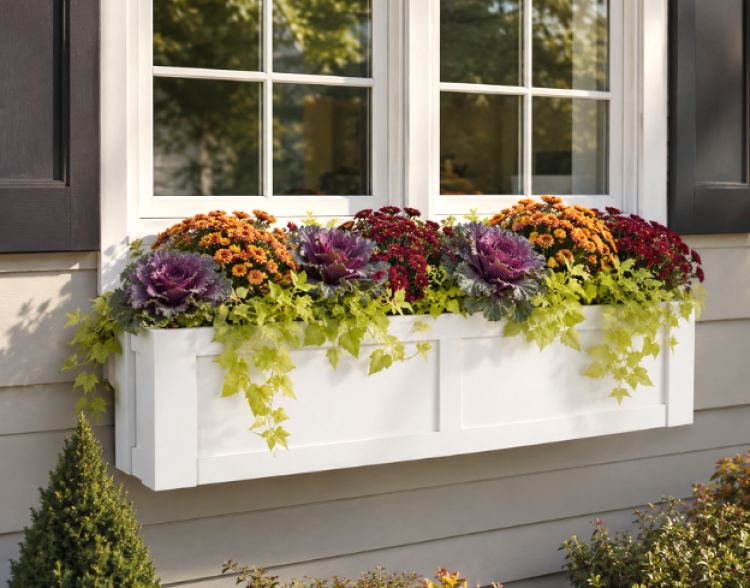
Cooler weather means soil retains moisture longer, flowers hold their color for weeks, and the autumn plant palette offers some of the richest textures and deepest tones of the entire year. You don't need to do a complete garden overhaul to keep your home looking intentional and warm. With a few strategic swaps, you can transition your window boxes, railing planters, and porch planters from tired summer foliage into a high-end autumn display that lasts straight through the first heavy frost.
Here is your step-by-step playbook for refreshing your containers for fall.
Step 1: The Late-Summer Edit (Keep, Prune, or Clear)
Before you head to the local nursery, take five minutes to evaluate your existing containers. You don't necessarily have to pull out every single plant in the box!
-
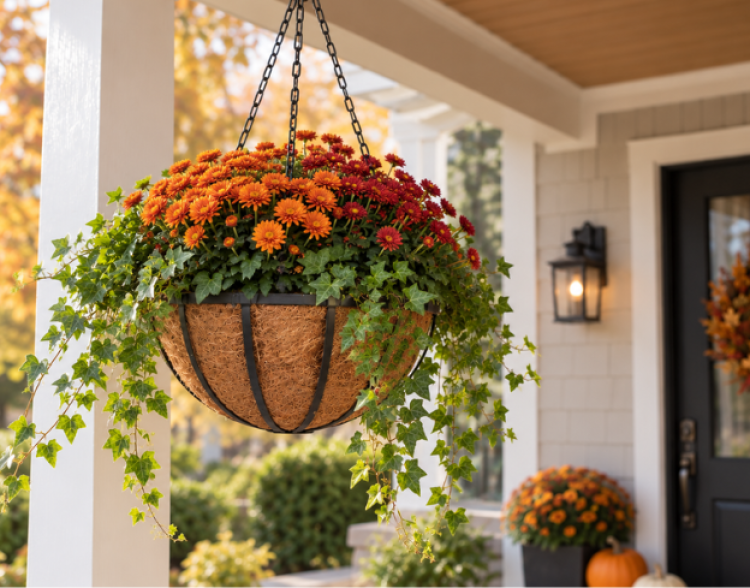
Keep the Resilient Anchor Plants: Hardy greenery like ivy, sweet potato vine, trailing rosemary, boxwoods, or structural evergreens often thrive well into autumn. Keep them in place to serve as your container’s foundational greenery.
-
Prune Back the Stragglers: Cut back any lingering summer annuals that still have a bit of life left in them. Giving them a sharp trim removes dead weight and makes room for fresh autumn additions.
-
Clear Out the Exhausted Roots: Gently scoop out any fully spent or root-bound summer annuals (like heat-scorched geraniums or faded lobelia). Top off the container with a fresh scoop of nutrient-rich potting soil to give your new plants a strong start.
Step 2: Master the Thriller, Filler, Spiller Formula for Fall
To give your window boxes and porch planters that lush, professional look, build your arrangement using three distinct plant layers:
1. The Thriller: Height, Motion, and Structure
Every great planter needs a central anchor that draws the eye upward and adds architectural height. In autumn, nothing performs better than ornamental grasses.
-
Fountain Grass (Pennisetum setaceum): Features feathery, wheat-like plumes that catch the golden autumn light and sway gracefully in the cool fall breeze.
-
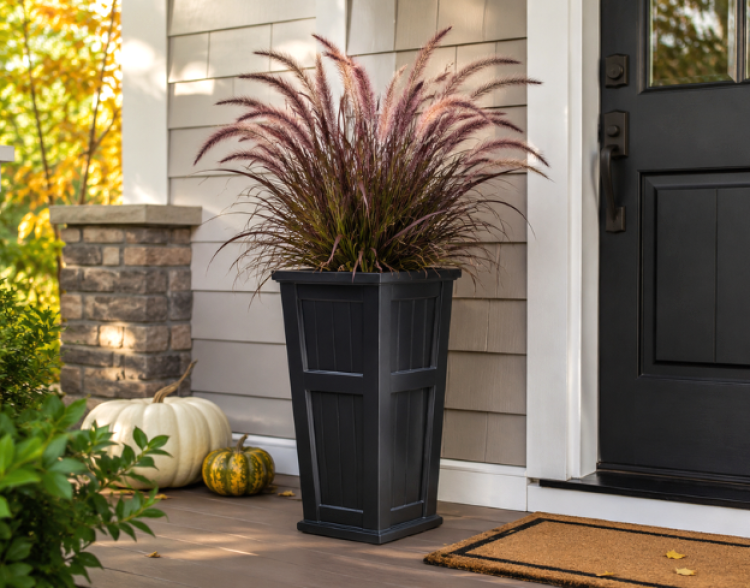
Purple Fountain Grass: Offers deep burgundy stems that create immediate drama and metallic contrast against lighter home exteriors.
-
Dwarf Conifers or Boxwoods: Perfect for a formal, classic estate look that seamlessly transitions straight into winter.
2. The Filler: Rich Color and Mounded Texture
Fillers make up the body of your arrangement, sitting right beneath your tall grasses to pack the box with dense color and lush foliage.
-
Ornamental Kale and Cabbage: The undisputed stars of the autumn planter. Their rosette-shaped, ruffled leaves come in shades of deep plum, dusty sage, and cream. Best of all, as night temperatures drop, their colors actually intensify!
-
Belgian Mums: For classic autumn color, choose tight, budded mums in rust, deep wine, terracotta, or crisp white. Tucking them tightly beside ruffled kale creates a rich visual contrast.
-
Coral Bells (Heuchera): Known for their striking, leathery foliage in shades of amber, caramel, and dark plum, Coral Bells bring sophisticated color without relying purely on flower blooms.
3. The Spiller: Softening the Edges
Spillers anchor the display to your home by cascading over the front lip of your window box or floor planter, breaking up hard lines and creating seamless visual flow.
-
Cool-Weather Pansies and Violas: Tucking delicate, face-up pansies along the front edge gives your display a playful, vibrant tuck of color that blooms straight through chilly frost.
-
Creeping Jenny or Variegated Ivy: Bright chartreuse or green-and-white trailing vines soften heavy containers and pull the eye downward.
Step 3: Layer-in Organic Architectural Touches
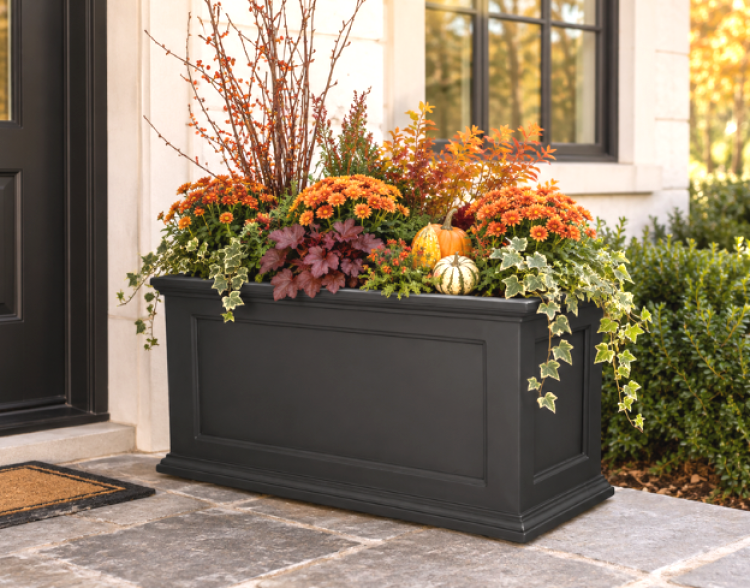
Once your living plants are set in place, add the final decorative touches that take your container styling from standard to editorial.
-
Tuck in Heirloom Gourds: Nestling mini white "Boo" pumpkins, pale green turban squash, or deeply ribbed orange gourds directly into the soil between plants fills any temporary gaps and introduces warm, sculptural texture.
-
Add Natural Branches: Inserting a few vertical dogwood twigs, birch branches, or eucalyptus stems around your center grass adds rustic structure and subtle height.
Keeping Your Autumn Containers Thriving
One of the greatest benefits of fall gardening is how effortless the maintenance is compared to August. Because cooler air slows down water evaporation, you will only need to water your containers once or twice a week rather than twice a day.
Aim your watering spout directly at the root zone underneath the leafy canopy, and give the soil a thorough soak when the top inch feels dry to the touch.
With just an hour of weekend effort, your fresh fall planters will deliver incredible curb appeal, welcoming family and guests to your doorstep all season long!